

วิเคราะห์ยุทธศาสตร์ SMR 300 MW ฝ่าวิกฤตราคาพลังงานโลก: ถอดรหัสการทำงานร่วมกันระหว่าง ปส.–กฟผ. ภายใต้กลไก คกก.พลังงานนิวเคลียร์เพื่อสันติ สู่ข้อเสนอเชิงนโยบายพลังงานมั่นคงของไทย
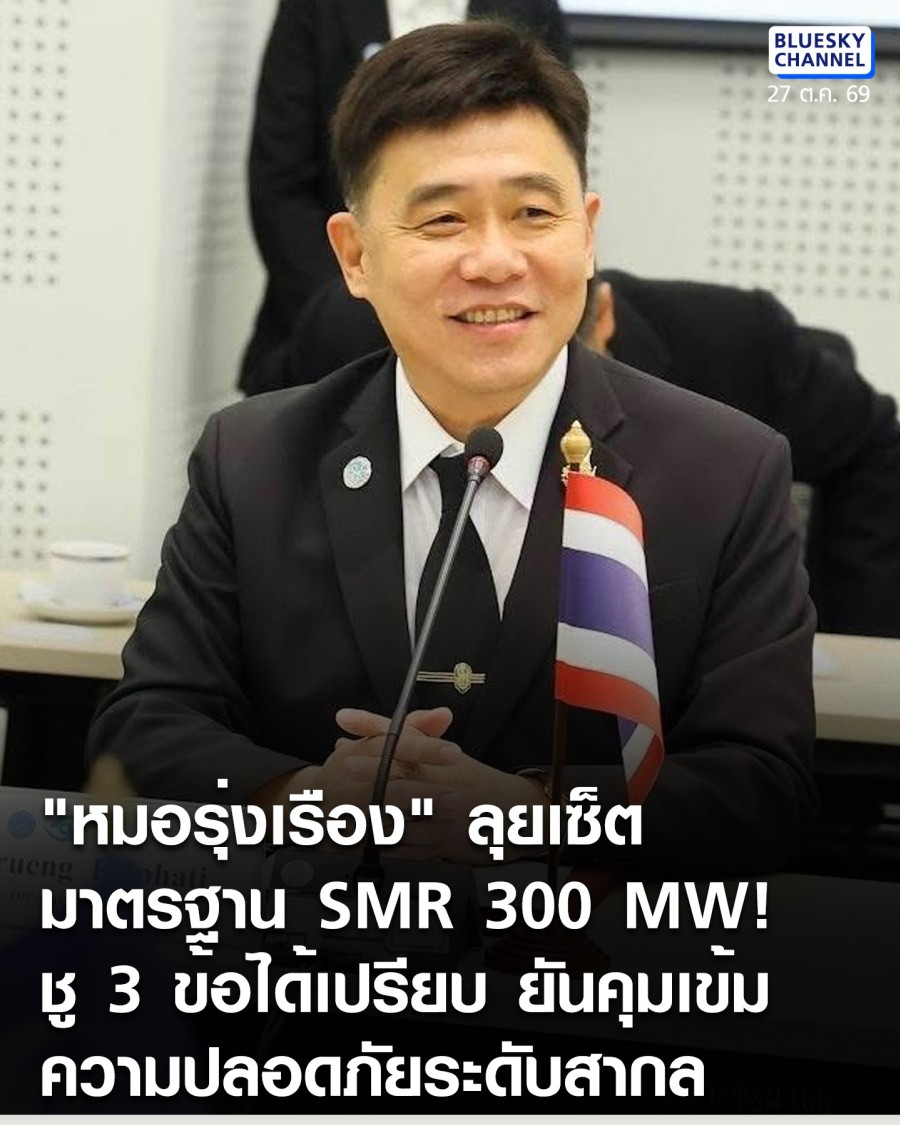
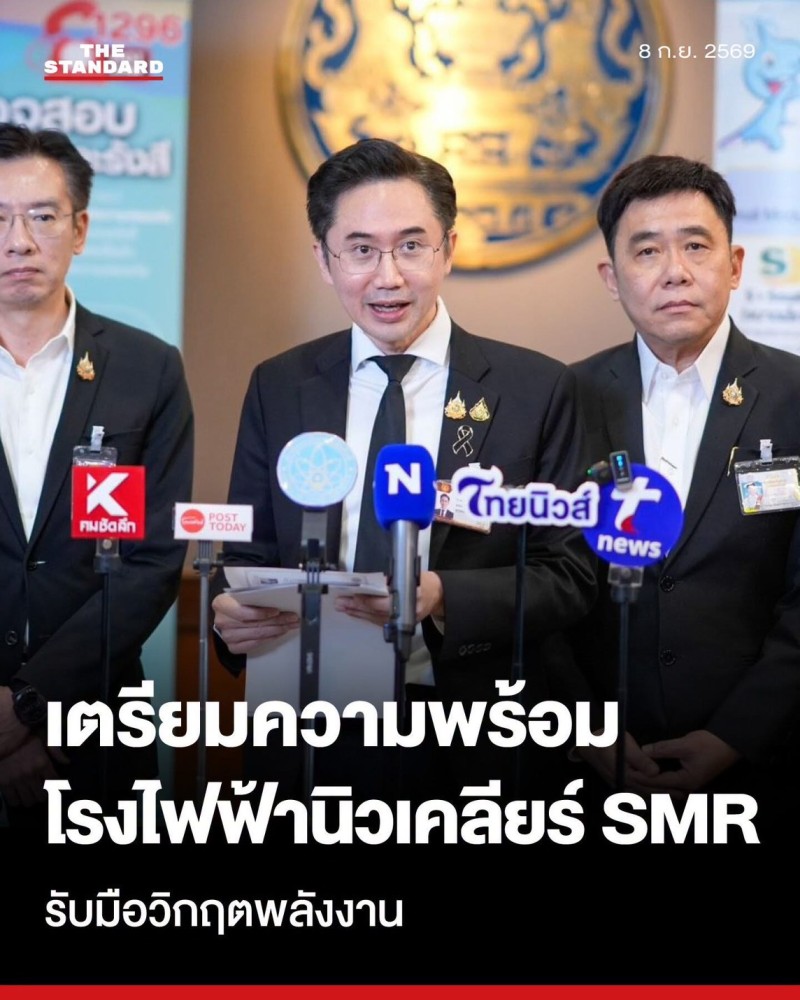
ความผันผวนของราคาเชื้อเพลิงฟอสซิลในตลาดโลกและวิกฤตความมั่นคงทางพลังงานที่เกิดขึ้นอย่างต่อเนื่อง ได้ผลักดันให้ประชาคมโลกหันกลับมาทบทวนบทบาทของพลังงานนิวเคลียร์อย่างจริงจัง ทบวงการพลังงานปรมาณูระหว่างประเทศ (IAEA) ระบุว่ามีกว่า 38 ประเทศทั่วโลกที่ประกาศเป้าหมายเพิ่มกำลังการผลิตไฟฟ้านิวเคลียร์เป็น 3 เท่าภายในปี ค.ศ. 2050 (พ.ศ. 2593) ขณะที่เพื่อนบ้านในภูมิภาคอาเซียน ไม่ว่าจะเป็นอินโดนีเซีย เวียดนาม ฟิลิปปินส์ หรือมาเลเซีย ต่างขยับขับเคลื่อนการเตรียมความพร้อมโครงการโรงไฟฟ้านิวเคลียร์อย่างเป็นรูปธรรม
สำหรับประเทศไทย การไฟฟ้าฝ่ายผลิตแห่งประเทศไทย (กฟผ.) ได้เดินหน้าศึกษาโครงการพัฒนาเครื่องปฏิกรณ์นิวเคลียร์แบบโมดูลาร์ขนาดเล็ก (Small Modular Reactor: SMR) ขนาดกำลังการผลิตประมาณ 300 เมกะวัตต์ (MWe) กรอบวงเงินลงทุนเบื้องต้นราว 60,000–70,000 ล้านบาท ภายใต้กรอบ (ร่าง) แผนพัฒนากำลังการผลิตไฟฟ้าของประเทศ (PDP 2026) โดยวางเป้าหมายเดินเครื่องโรงแรกภายในปี พ.ศ. 2580 (ค.ศ. 2037) เพื่อสร้างเสถียรภาพค่าไฟฟ้า ลดการพึ่งพาก๊าซธรรมชาตินำเข้า และรองรับการเติบโตทางเศรษฐกิจในพื้นที่ยุทธศาสตร์ เช่น เขตพัฒนาพิเศษภาคตะวันออก (EEC)
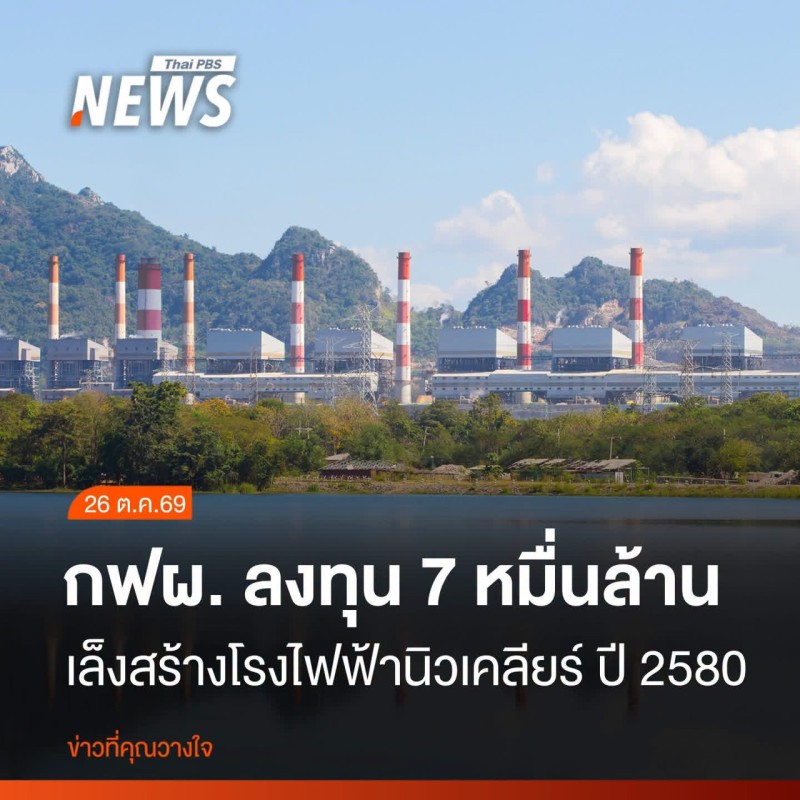
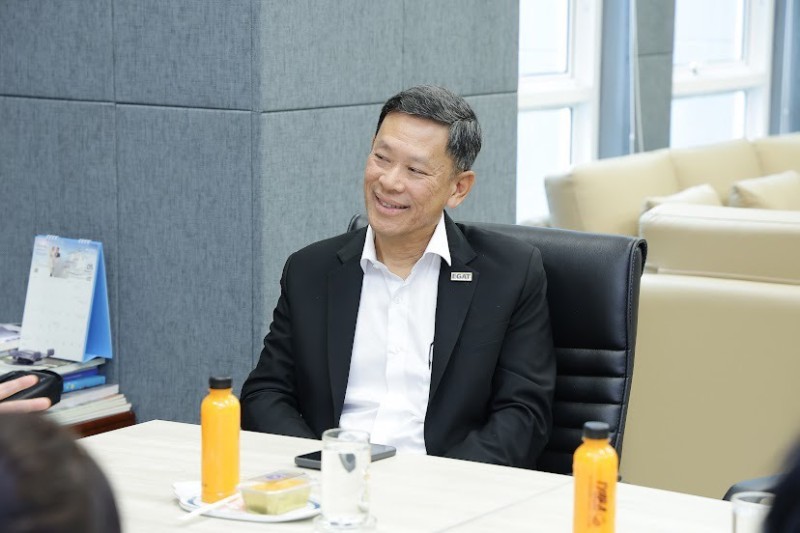
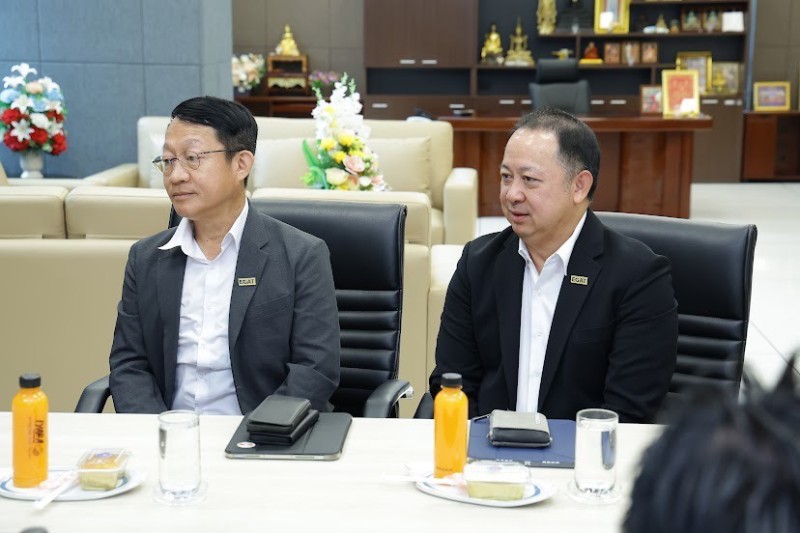
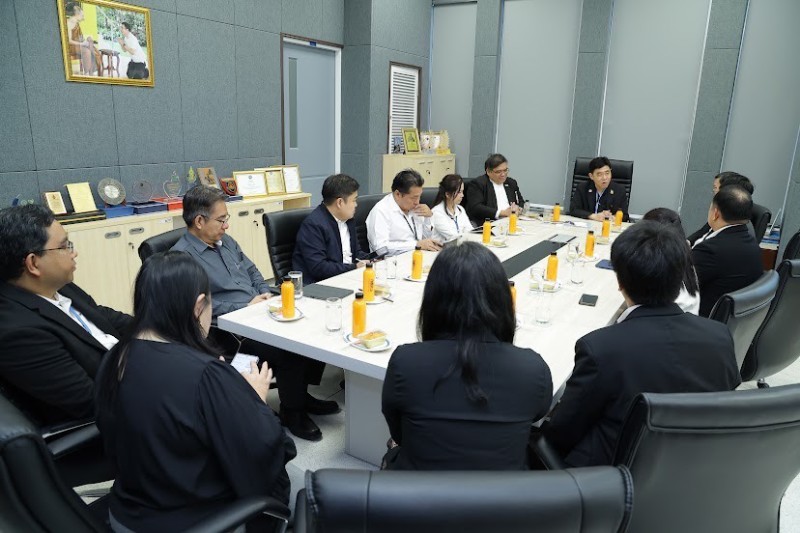
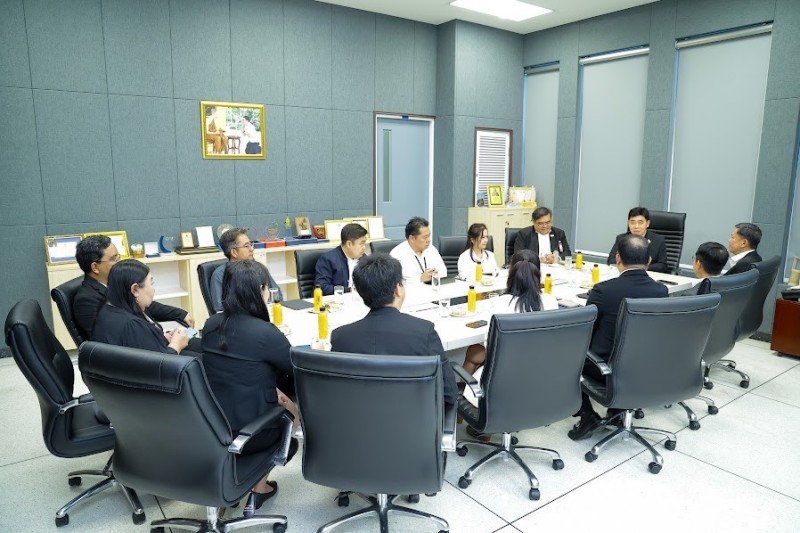
สำนักงานปรมาณูเพื่อสันติ (ปส.) กระทรวงการอุดมศึกษา วิทยาศาสตร์ วิจัยและนวัตกรรม (อว.) ในฐานะองค์กรกำกับดูแลความปลอดภัยทางนิวเคลียร์และรังสีระดับชาติ ขอเรียนชี้แจงต่อพี่น้องประชาชนว่า ปส. และ กฟผ. ได้ทำงานร่วมกันอย่างใกล้ชิดมาโดยตลอด ภายใต้ร่มเงาของ คณะกรรมการพลังงานนิวเคลียร์เพื่อสันติ (พนส. ) ซึ่งกำกับดูแลเชิงนโยบายโดยท่านรองนายกรัฐมนตรีและรัฐมนตรีว่าการกระทรวงการอุดมศึกษา วิทยาศาสตร์ วิจัยและนวัตกรรม (อว.) ศาสตราจารย์ ดร. ยศชนัน วงศ์สวัสดิ์ ร่วมกับผู้ทรงคุณวุฒิระดับประเทศ เพื่อให้มั่นใจว่าทุกก้าวย่างของการศึกษาและดำเนินโครงการ จะตั้งอยู่บนมาตรฐานความปลอดภัยสูงสุดในระดับสากล


“บทวิเคราะห์ความได้เปรียบเชิงยุทธศาสตร์: SMR 300 MW กับเสถียรภาพค่าไฟคนไทย”
เมื่อเจาะลึกโครงสร้างเศรษฐศาสตร์พลังงาน การนำ SMR ขนาด 300 MW เข้าสู่ระบบไฟฟ้าไทย มอบประโยชน์เชิงโครงสร้างที่สำคัญ 3 ประการ:
1. โครงสร้างต้นทุนเชื้อเพลิงที่มีเสถียรภาพสูง (Fuel Price Independence): แตกต่างจากโรงไฟฟ้าก๊าซธรรมชาติหรือถ่านหินที่ต้นทุนค่าไฟผันผวนตามราคาตลาดโลก (คิดเป็นสัดส่วนเชื้อเพลิง 60–80% ของต้นทุนการผลิต) โรงไฟฟ้านิวเคลียร์มีสัดส่วนต้นทุนเชื้อเพลิงยูเรเนียมเพียง 10–15% เท่านั้น การเปลี่ยนแปลงของราคาเชื้อเพลิงในตลาดโลกจึงแทบไม่มีผลกระทบต่ออัตราค่าไฟฟ้า (ค่า Ft) ในระยะยาว
2. การจ่ายไฟฟ้าฐานสะอาดต่อเนื่อง 24 ชั่วโมง (Firm Clean Baseload): SMR สามารถเดินเครื่องผลิตไฟฟ้าต่อเนื่องโดยมีค่า Availability Factor สูงกว่า 90% โดยปล่อยก๊าซเรือนกระจกเกือบเป็นศูนย์ ตอบสนองความต้องการไฟฟ้าที่มีเสถียรภาพสูงสำหรับภาคอุตสาหกรรมเป้าหมายและ AI Data Centers ในพื้นที่ EEC
3. ระบบความปลอดภัยเชิงรับขั้นสูง (Inherent & Passive Safety Systems): เทคโนโลยี SMR ยุคใหม่ถูกออกแบบให้หยุดการทำงานและระบายความร้อนตกค้างได้เองตามกฎธรรมชาติ (แรงโน้มถ่วง การพาความร้อนตามธรรมชาติ) โดยไม่ต้องพึ่งพาไฟฟ้าจากภายนอกหรือการสั่งการของผู้ปฏิบัติงาน ทำให้ความเสี่ยงอุบัติเหตุรุนแรงอยู่ในระดับต่ำมาก
“การทำงานเชิงบูรณาการระหว่าง ปส. และ กฟผ.”
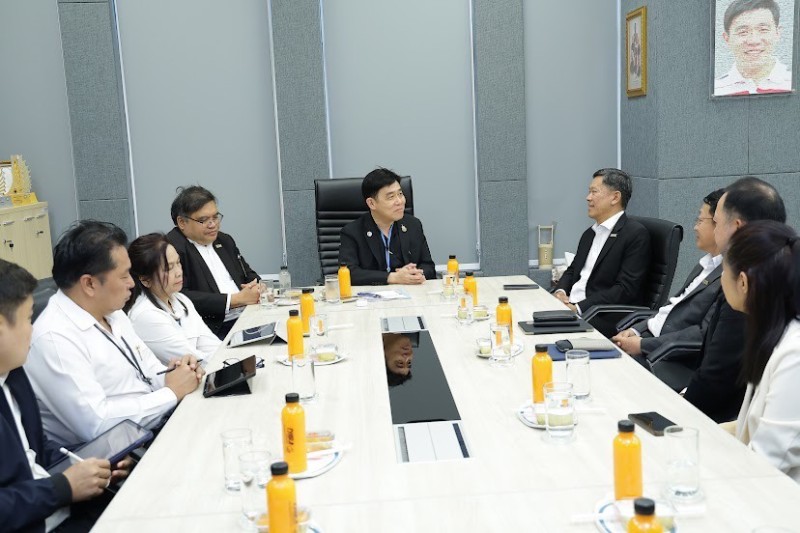
การพัฒนาโครงการนิวเคลียร์จำเป็นต้องแยกบทบาทระหว่าง "หน่วยงานผู้พัฒนา/เดินเครื่อง (Operator)" และ "หน่วยงานกำกับดูแลความปลอดภัย (Regulator)" ออกจากกันอย่างชัดเจนตามหลักการของ IAEA เพื่อไม่ให้เกิดผลประโยชน์ทับซ้อน อย่างไรก็ตาม ทั้งสองหน่วยงานทำงานสอดประสานกันอย่างใกล้ชิดผ่านกลไกคณะกรรมการพลังงานนิวเคลียร์เพื่อสันติ:
• การประเมินสถานที่ตั้งร่วมกับ IAEA (Site Evaluation & Infrastructure Readiness): ขณะที่ กฟผ. อยู่ระหว่างการศึกษาความเป็นไปได้และสำรวจพื้นที่ศักยภาพ ในขณะที่ ปส. ทำหน้าที่ยกร่างกฎเกณฑ์การประเมินความปลอดภัยของสถานที่ตั้ง โดยอ้างอิงมาตรฐาน IAEA Safety Standards Series No. SSR-1 และเตรียมความพร้อมรับการตรวจประเมินโครงสร้างพื้นฐานพลังงานนิวเคลียร์ของประเทศ (INIR Mission)
• การเตรียมความพร้อมด้านบุคลากรและระบบใบอนุญาต (Workforce & Licensing): ปส. และ กฟผ. ร่วมมือกันในการวางแผนสร้างบุคลากรด้านเทคนิคนิวเคลียร์ โดย ปส. เตรียมระบบการออกใบอนุญาตผู้เดินเครื่อง (Reactor Operator: RO และ Senior Reactor Operator: SRO) เพื่อรองรับวิศวกร กฟผ. ที่จะเข้ารับการฝึกอบรมกับเครื่องจำลองสภาวะวิกฤต (Full-Scope Simulator)
• กระบวนการมีส่วนร่วมของประชาชน (Public Engagement): ปส. และ กฟผ. ร่วมกันวางแผนสื่อสารความเสี่ยงเชิงรุก ให้ข้อมูลทางวิทยาศาสตร์ที่ถูกต้อง ชี้แจงข้อเท็จจริงเกี่ยวกับการจัดการกากกัมมันตรังสีและระดับความปลอดภัย เพื่อให้ชุมชนในพื้นที่ศึกษามีส่วนร่วมตั้งแต่ระยะเริ่มแรก
“ข้อเสนอเชิงนโยบายต่อประเทศโดยสำนักงานปรมาณูเพื่อสันติ“
เพื่อให้การเตรียมความพร้อมโครงการ SMR 300 MW ในแผน PDP 2026 ดำเนินไปอย่างราบรื่น ปลอดภัย และสร้างความเชื่อมั่นสูงสุดแก่ประชาชน สำนักงานปรมาณูเพื่อสันติ ขอเสนอชุดยุทธศาสตร์เชิงนโยบาย 4 ประการดังนี้:
1. ยุทธศาสตร์จัดตั้งคณะกรรมการร่วมขับเคลื่อนโครงการไฟฟ้านิวเคลียร์ระดับชาติ (National Nuclear Energy Program Implementing Mechanism: NEPIO)
2. ยุทธศาสตร์พัฒนากรอบการอนุมัติใบอนุญาตล่วงหน้าสำหรับเทคโนโลยี SMR (SMR Pre-Licensing & Vendor Design Review)
• ปส. ขณะนี้ดำเนินการตรากฎระเบียบว่าด้วยกระบวนการประเมินการออกแบบล่วงหน้า (Vendor Design Review: VDR) สำหรับเทคโนโลยี SMR ขนาด 300 MWe เพื่อทำการตรวจสอบและรับรองมาตรฐานความปลอดภัยของเทคโนโลยีที่ กฟผ. คัดเลือก ร่วมกับหน่วยงานกำกับดูแลระดับสากล (เช่น U.S. NRC หรือ CNSC) ก่อนเข้าสู่ขั้นตอนยื่นคำขอใบอนุญาตก่อสร้างจริง ช่วยลดระยะเวลาและสร้างความแน่นอนให้กับโครงการ
3. ยุทธศาสตร์จัดทำแผนแม่บทการจัดการเชื้อเพลิงใช้แล้วและกากกัมมันตรังสีแห่งชาติ (National Spent Fuel & Radioactive Waste Management Policy)
• ปส. ได้ร่วมกับสถาบันเทคโนโลยีนิวเคลียร์แห่งชาติ (สทน.) และ กฟผ. จัดทำแผนยุทธศาสตร์วงจรเชื้อเพลิงนิวเคลียร์อย่างครบวงจร (Cradle-to-Grave Strategy) รวมถึงการจัดตั้งกองทุนการจัดการเชื้อเพลิงใช้แล้วและการรื้อถอน (Decommissioning & Waste Fund) เพื่อเป็นหลักประกันความปลอดภัยต่อสิ่งแวดล้อมและสร้างความมั่นใจแก่ประชาชนว่าจะไม่มีการทิ้งภาระไว้ให้คนรุ่นหลัง
4. ยุทธศาสตร์สื่อสารวิทยาศาสตร์นิวเคลียร์และการสร้างการมีส่วนร่วมในพื้นที่ EEC และพื้นที่นำร่อง (Proactive Public Deliberation & Regional Engagement)
• จัดตั้งศูนย์ข้อมูลและสื่อสารความปลอดภัยนิวเคลียร์ร่วมระหว่าง ปส. และ กฟผ. ในพื้นที่เป้าหมายการศึกษา เพื่อเปิดรับฟังความคิดเห็นจากประชาชน ภาคประชาสังคม และผู้ประกอบการอุตสาหกรรมในพื้นที่อย่างต่อเนื่อง โปร่งใส และเปิดเผยข้อมูลเชิงวิศวกรรมความปลอดภัยอย่างตรงไปตรงมา
บทสรุป
การศึกษาโครงการ SMR ขนาด 300 MW ของ กฟผ. ภายใต้กรอบ PDP 2026 ถือเป็นก้าวย่างเชิงยุทธศาสตร์ที่สำคัญของประเทศไทยในการรับมือกับความผันผวนของราคาพลังงานโลกและเดินหน้าสู่เป้าหมายความเป็นกลางทางคาร์บอน สำนักงานปรมาณูเพื่อสันติ ขอให้ความมั่นใจต่อพี่น้องประชาชนว่า เราจะทำหน้าที่เป็น "หลักประกันความปลอดภัยของคนไทย" โดยกำกับดูแลทุกขั้นตอนอย่างอิสระ เข้มงวด และทำงานร่วมกับทุกหน่วยงานพันธมิตรอย่างเป็นระบบ เพื่อนำพานวัตกรรมพลังงานสะอาดมาขับเคลื่อนเศรษฐกิจไทยอย่างปลอดภัยและยั่งยืน
บทความและข้อเสนอเชิงนโยบายโดย: นายแพทย์รุ่งเรือง กิจผาติ เลขาธิการสำนักงานปรมาณูเพื่อสันติ กระทรวงการอุดมศึกษา วิทยาศาสตร์ วิจัยและนวัตกรรม (อว.)
ขอขอบคุณข้อมูลทางวิชาการและแนวคิดด้านการกำกับดูแลความปลอดภัยจาก การไฟฟ้าฝ่ายผลิตแห่งประเทศไทย (กฟผ.), ทบวงการพลังงานปรมาณูระหว่างประเทศ (IAEA) และคณะกรรมการพลังงานนิวเคลียร์เพื่อสันติ (คปส.)
เอกสารอ้างอิงและแหล่งข้อมูลเชิงประจักษ์ (References)
1. International Atomic Energy Agency (IAEA). (2025–2026). Advances in Small Modular Reactor Technology Developments (A Supplement to IAEA Advanced Reactors Information System - ARIS). IAEA, Vienna.
2. Electricity Generating Authority of Thailand (EGAT). (2026). Feasibility and Site Assessment Framework for Small Modular Reactor (SMR) 300 MWe under the National Power Development Plan (PDP 2026). Nonthaburi, Thailand.
3. International Atomic Energy Agency (IAEA). (2025). Milestones in the Development of a National Infrastructure for Nuclear Power (IAEA Nuclear Energy Series No. NG-G-3.1 Rev. 1). IAEA, Vienna.
4. Office of Atoms for Peace (OAP). (2026). National Safety Regulatory Framework and SMR Licensing Roadmap under the Atomic Energy for Peace Act. Ministry of Higher Education, Science, Research and Innovation, Thailand.
Strategic Analysis of the 300 MWe SMR Initiative Amid Global Energy Volatility: Decoding OAP–EGAT Collaboration Under the Atomic Energy for Peace Commission Towards Thailand’s Energy Security Policy Directives
Continuous volatility in global fossil fuel markets and persistent energy security concerns have driven the international community to re-evaluate the strategic role of nuclear power. The International Atomic Energy Agency (IAEA) reports that over 38 nations have committed to tripling their nuclear energy capacity by 2050. Concurrently, neighboring ASEAN members—including Indonesia, Vietnam, the Philippines, and Malaysia—are advancing tangible national nuclear readiness frameworks.
In Thailand, the Electricity Generating Authority of Thailand (EGAT) is executing feasibility studies for a 300-megawatt-electric (MWe) Small Modular Reactor (SMR) development project, representing an estimated capital investment of 60,000–70,000 million Baht under the draft Power Development Plan (PDP 2026). Targeting commercial operation of the initial unit by 2037 (B.E. 2580), the initiative aims to stabilize electricity tariffs, curb dependency on imported natural gas, and secure long-term industrial energy demands in high-growth hubs such as the Eastern Economic Corridor (EEC).
As the national regulatory authority for nuclear and radiation safety, the Office of Atoms for Peace (OAP), Ministry of Higher Education, Science, Research and Innovation (MHESI), affirms that OAP and EGAT have sustained coordinated institutional alignment under the oversight of the Atomic Energy for Peace Commission (AEPC). Chaired by the Deputy Prime Minister and Minister of Higher Education, Science, Research and Innovation, Prof. Dr. Yoschanan Wongsawat, alongside national experts, the Commission ensures all feasibility evaluations and developmental milestones align with international nuclear safety standards.
Strategic Advantages: 300 MWe SMR and Tariff Stability for Thailand
From an energy economics and engineering perspective, integrating a 300 MWe SMR into Thailand’s electrical grid provides three structural advantages:
* Fuel Price Independence: Unlike natural gas or coal-fired power generation, where fuel feedstock represents 60–80% of total production costs and remains exposed to global commodity swings, raw uranium fuel accounts for only 10–15% of nuclear generation costs. Consequently, international market price shocks have negligible impacts on long-term base electricity tariffs and fuel adjustment charges (the Ft component).
* Firm 24/7 Clean Baseload: SMRs deliver continuous baseload electricity with availability factors routinely exceeding 90% while generating near-zero greenhouse gas emissions. This firm power supply fulfills the uninterrupted, high-reliability green energy requirements of target industries and AI Data Centers situated in the EEC.
* Advanced Inherent & Passive Safety Systems: Modern SMR architectures are engineered to achieve automated reactor shutdown and residual decay heat removal via fundamental physical laws (gravity, natural convection, and passive evaporative cooling) without requiring off-site alternating current (AC) power or operator intervention, reducing severe core-damage probabilities to negligible levels.
Integrated Operational Collaboration Between OAP and EGAT
Under IAEA Milestones guidelines, a credible nuclear power program requires a clear functional separation between the Operator/Developer (EGAT) and the Independent Regulatory Body (OAP) to eliminate institutional conflicts of interest. Within this governance structure, both entities maintain systematic technical coordination through the AEPC framework:
* Site Evaluation and International Infrastructure Readiness: While EGAT conducts technical feasibility assessments and site surveys (evaluating coastal sites and candidate brownfield facilities), OAP establishes binding regulatory criteria for site safety assessments in alignment with IAEA Safety Standards Series No. SSR-1, while coordinating preparatory steps for the IAEA Integrated Nuclear Infrastructure Review (INIR Mission).
* Workforce Licensing Infrastructure: OAP and EGAT coordinate long-term human resource strategies. OAP is drafting the regulatory infrastructure for licensing Reactor Operators (RO) and Senior Reactor Operators (SRO), providing clear certification criteria for EGAT engineering personnel undergoing training on dedicated Full-Scope Simulators.
* Proactive Public Deliberation: OAP and EGAT collaborate on risk-communication frameworks to deliver objective, evidence-based scientific facts regarding safety barriers, spent fuel management, and environmental monitoring, ensuring candidate host communities participate from early project stages.
National Policy Proposals by the Office of Atoms for Peace
To support the realization of the 300 MWe SMR project under draft PDP 2026, the Office of Atoms for Peace presents four policy recommendations for Cabinet consideration:
1. Formulate the National Nuclear Energy Program Implementing Mechanism (NEPIO)
* Direct the formal establishment of a national NEPIO structure to harmonize project execution, power purchase frameworks, and inter-agency workflows across MHESI, the Ministry of Energy, EGAT, the Energy Regulatory Commission (ERC), and the Board of Investment (BOI), while preserving the independent safety oversight of OAP.
2. Deploy Pre-Licensing and Vendor Design Review (VDR) Protocols
* Authorize OAP to enact regulations establishing a standardized Vendor Design Review (VDR) pre-licensing mechanism for 300 MWe-class SMR technologies. Conducting collaborative safety design reviews alongside mature international regulators (such as the U.S. NRC or the Canadian CNSC) prior to formal construction license applications resolves regulatory uncertainties and expedites technical procurement.
3. Institute a Comprehensive National Spent Fuel and Radioactive Waste Policy
* Mandate OAP, in partnership with the Thailand Institute of Nuclear Technology (TINT) and EGAT, to codify a cradle-to-grave national policy for spent nuclear fuel and radioactive waste management. This includes creating a dedicated Decommissioning and Waste Management Fund to secure financial arrangements for decommissioning and final disposal without passing liabilities to future generations.
4. Establish Nuclear Information and Civic Engagement Centers in the EEC and Pilot Zones
* Mandate the creation of joint OAP–EGAT public information facilities within targeted feasibility study zones. These centers will facilitate transparent, continuous public consultation, address safety and environmental concerns openly, and provide real-time environmental radiation data directly to regional stakeholders.
Conclusion
EGAT's evaluation of a 300 MWe SMR facility under draft PDP 2026 represents a strategic step toward shielding Thailand from global fossil fuel volatility and securing national Carbon Neutrality targets. The Office of Atoms for Peace confirms its commitment to serving as Thailand's independent safety anchor, providing rigorous, transparent regulatory governance to ensure clean nuclear technology is integrated safely, securely, and with public confidence.
Article and Policy Directives by:
Dr. Rungrueng Kitphati
Secretary-General, Office of Atoms for Peace
Ministry of Higher Education, Science, Research and Innovation (MHESI), Thailand
Technical acknowledgments to the Electricity Generating Authority of Thailand (EGAT), the International Atomic Energy Agency (IAEA), and the Atomic Energy for Peace Commission (AEPC).
References & Empirical Evidence
* International Atomic Energy Agency (IAEA). (2025–2026). Advances in Small Modular Reactor Technology Developments (A Supplement to IAEA Advanced Reactors Information System - ARIS). IAEA, Vienna.
* Electricity Generating Authority of Thailand (EGAT). (2026). Feasibility and Site Assessment Framework for Small Modular Reactor (SMR) 300 MWe under the National Power Development Plan (PDP 2026). Nonthaburi, Thailand.
* International Atomic Energy Agency (IAEA). (2025). Milestones in the Development of a National Infrastructure for Nuclear Power (IAEA Nuclear Energy Series No. NG-G-3.1 Rev. 1). IAEA, Vienna.
* Office of Atoms for Peace (OAP). (2026). National Safety Regulatory Framework and SMR Licensing Roadmap under the Atomic Energy for Peace Act. Ministry of Higher Education, Science, Research and Innovation, Thailand.