

สำนักงานปรมาณูเพื่อสันติ พร้อมรองรับบทบาทกำกับดูแลความปลอดภัย SMR หลัง นายกฯ ถก CEO Temasek Trust ดันพลังงานสะอาด เสริมความมั่นคงภูมิภาค
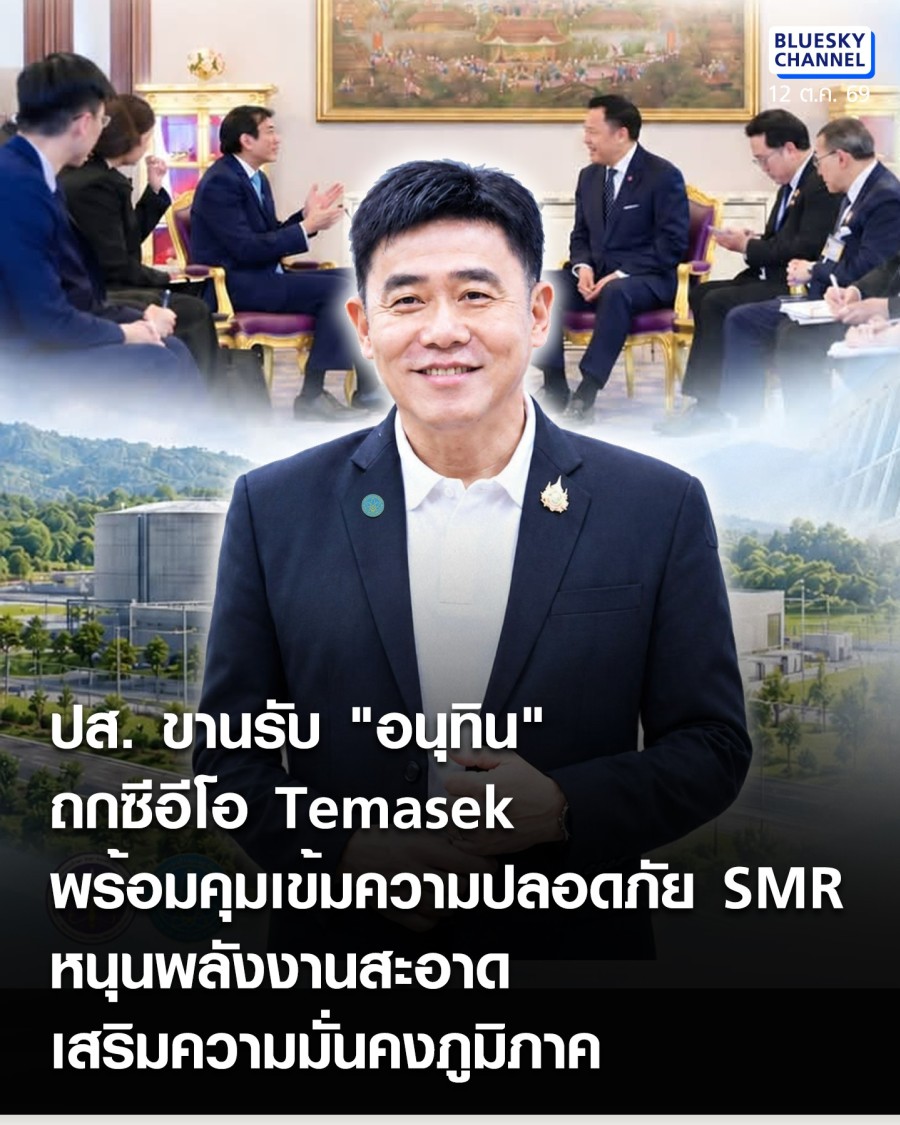
กรุงเทพฯ — 12 ตุลาคม 2569 : นายแพทย์รุ่งเรือง กิจผาติ เลขาธิการสำนักงานปรมาณูเพื่อสันติ กระทรวงการอุดมศึกษา วิทยาศาสตร์ วิจัยและนวัตกรรม เปิดเผยว่า จากกรณีที่ นายอนุทิน ชาญวีรกูล นายกรัฐมนตรี ได้ต้อนรับ นาย Desmond Kuek ประธานเจ้าหน้าที่บริหาร Temasek Trust ในการเข้าหารือ ณ ห้องสีม่วง ตึกไทยคู่ฟ้า ทำเนียบรัฐบาล เกี่ยวกับแนวทางการระดมทุนเพื่อสังคมและการพัฒนาที่ยั่งยืน ซึ่งรวมถึงการเปลี่ยนผ่านสู่พลังงานสะอาด การเพิ่มสัดส่วนพลังงานหมุนเวียน และศักยภาพของเทคโนโลยีเครื่องปฏิกรณ์นิวเคลียร์แบบโมดูลาร์ขนาดเล็ก (Small Modular Reactor: SMR) นั้น

นายเอกภพ เพียรพิเศษ โฆษกประจำสำนักนายกรัฐมนตรี เปิดเผยสาระสำคัญของการหารือด้านพลังงานว่า นายกรัฐมนตรีเน้นย้ำถึงนโยบายพลังงานที่ต้องมีความเหมาะสมกับบริบทของประเทศไทย โดยการนำเทคโนโลยีใหม่อย่าง SMR มาใช้ในการลดการปล่อยก๊าซเรือนกระจก จะต้องคำนึงถึงปัจจัยสำคัญ 3 ประการ ได้แก่:
1. ความปลอดภัยทางนิวเคลียร์และรังสี (Nuclear Safety and Radiation Protection)
2. การจัดการกากกัมมันตรังสีและเชื้อเพลิงนิวเคลียร์ใช้แล้ว (Radioactive Waste Management)
3. การสร้างความเข้าใจและการยอมรับของประชาชน (Public Acceptance) ด้วยการสื่อสารข้อมูลที่ถูกต้องและเหมาะสม
นายแพทย์รุ่งเรือง ฯ กล่าวเพิ่มเติมว่า สำนักงานปรมาณูเพื่อสันติ (ปส.) พร้อมขานรับและปฏิบัติตามนโยบายของ ศ.ดร.ยศชนัน วงศ์สวัสดิ์ รองนายกรัฐมนตรีและรัฐมนตรีว่าการกระทรวงการอุดมศึกษา วิทยาศาสตร์ วิจัยและนวัตกรรม (อว.) ในฐานะประธานกรรมการพลังงานนิวเคลียร์เพื่อสันติ ที่มุ่งเน้นการพัฒนานวัตกรรมพลังงานแห่งอนาคตควบคู่กับการกำกับดูแลความปลอดภัยสูงสุด
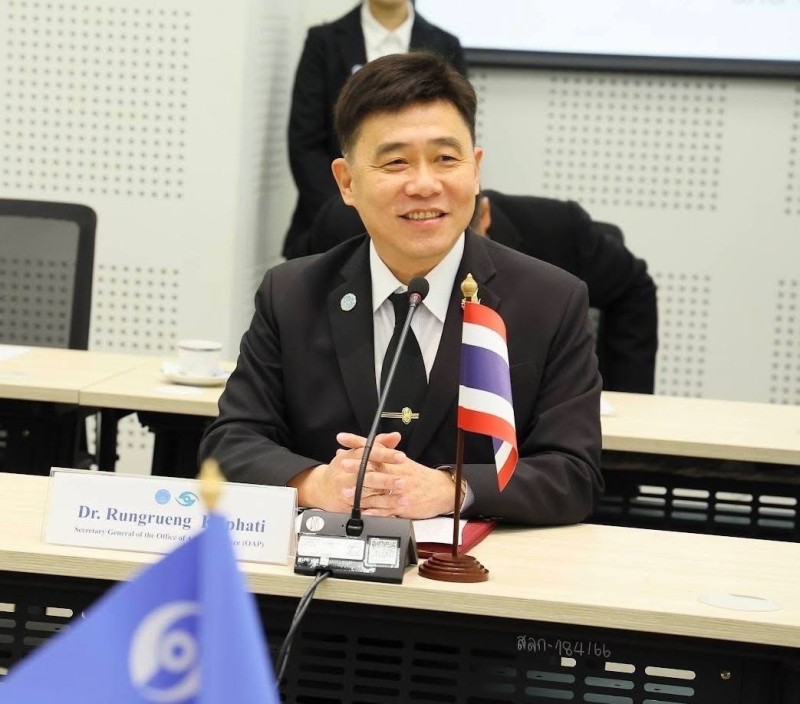
ทั้งนี้ คณะกรรมการพลังงานนิวเคลียร์เพื่อสันติ (พนส.) มีอำนาจหน้าที่สำคัญในการเสนอแนวนโยบาย ยุทธศาสตร์ และแผนยุทธศาสตร์เกี่ยวกับการพัฒนาและการใช้พลังงานนิวเคลียร์เพื่อสันติของประเทศ รวมทั้งการอนุมัติ ออกใบอนุญาต กำหนดมาตรฐานด้านความปลอดภัย ความมั่นคงปลอดภัย และการตรวจสอบกำกับดูแลโรงงานทางนิวเคลียร์และเทคโนโลยี SMR ให้เป็นไปตามกฎหมายและกรอบความปลอดภัยระดับสากล
โดย ปส. ในฐานะหน่วยงานกำกับดูแลความปลอดภัยทางนิวเคลียร์และรังสีของประเทศ ขอนำเรียนบทบาท หน้าที่ และความพร้อมในการรองรับทิศทางนโยบาย ดังนี้:
• การกำกับดูแลตามมาตรฐานสากล: ปส. มีภารกิจหลักในการประเมินและกำกับดูแลความปลอดภัยตั้งแต่การเลือกสถานที่ตั้ง (Site Selection) การออกแบบ การก่อสร้าง การดำเนินการ ไปจนถึงการจัดการกากกัมมันตรังสีของเครื่องปฏิกรณ์นิวเคลียร์ โดยยึดหลักเกณฑ์และมาตรฐานความปลอดภัยของทบวงการพลังงานปรมาณูระหว่างประเทศ (IAEA) เพื่อให้มั่นใจว่าการใช้งานเทคโนโลยี SMR จะมีความปลอดภัยสูงสุดต่อประชาชนและสิ่งแวดล้อม
• การสนับสนุนโครงข่ายพลังงานและความร่วมมือระดับภูมิภาค: สำหรับแนวคิดความร่วมมือด้านพลังงานระหว่าง ไทย มาเลเซีย และสิงคโปร์ ที่มุ่งใช้จุดแข็งด้านพื้นที่และพลังงานหมุนเวียนของไทย ทรัพยากรและโครงสร้างพื้นฐานของมาเลเซีย และเงินทุนของสิงคโปร์นั้น ปส. พร้อมทำหน้าที่เป็นแกนหลักในการประสานความร่วมมือด้านกรอบกฎหมาย การกำกับดูแลความปลอดภัยทางนิวเคลียร์ข้ามพรมแดน และการกำกับดูแลความปลอดภัยรองรับความต้องการพลังงานของศูนย์ข้อมูล (Data Centre) และโครงสร้างพื้นฐานด้านปัญญาประดิษฐ์ (AI) ในระยะยาว
• การสื่อสารสร้างความมั่นใจแก่ภาคประชาชน: ปส. มุ่งเน้นการเปิดเผยข้อมูลด้านความปลอดภัยอย่างโปร่งใส ตรวจสอบได้ เพื่อสร้างความเข้าใจที่ถูกต้องแก่สังคมและทุกภาคส่วน ซึ่งตรงตามเจตนารมณ์ของรัฐบาลในการพัฒนาเศรษฐกิจควบคู่กับการดูแลสิ่งแวดล้อมและประโยชน์ของสังคมโดยรวม
Office of Atoms for Peace Prepared to Regulate SMR Safety Following PM's Meeting with Temasek Trust CEO to Drive Clean Energy and Regional Energy Security
BANGKOK — October 12, 2026 : Dr. Rungrueng Kitphati, Secretary-General of the Office of Atoms for Peace (OAP), Ministry of Higher Education, Science, Research and Innovation (MHESI), disclosed regarding the recent meeting between Prime Minister Anutin Charnvirakul and Mr. Desmond Kuek, CEO of Temasek Trust, at the Purple Room, Thai Ku Fah Building, Government House.
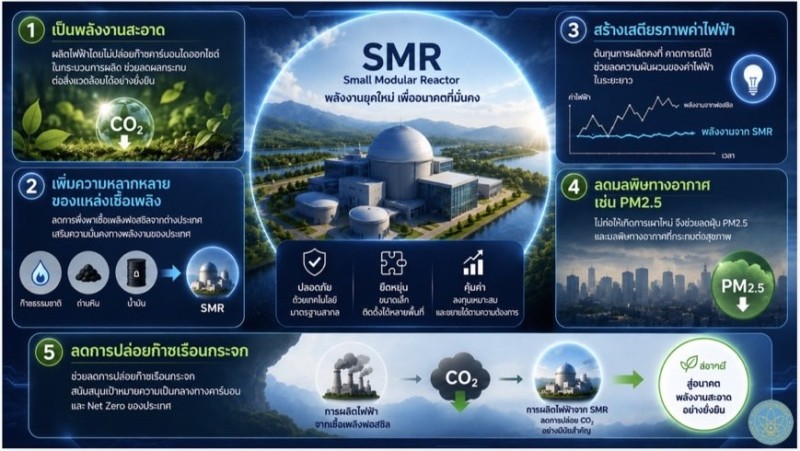
The discussion focused on avenues for social investment and sustainable development, including the transition to clean energy, expanding the share of renewable energy, and evaluating the potential of Small Modular Reactor (SMR) technology in reducing greenhouse gas emissions.
Mr. Eakapop Pienpisut, Spokesperson to the Prime Minister's Office, summarized the key aspects of the energy discussion, stating that the Prime Minister emphasized energy policies tailored to Thailand's context. Adopting new technologies such as SMRs to mitigate greenhouse gas emissions must prioritize three crucial factors:
* Nuclear Safety and Radiation Protection
* Radioactive Waste Management and Spent Nuclear Fuel
* Public Acceptance, driven by accurate information and appropriate communication.
Dr. Rungrueng added that the Office of Atoms for Peace (OAP) is fully prepared to execute policies directed by Prof. Dr. Yodschanan Wongsawat, Deputy Prime Minister and Minister of Higher Education, Science, Research and Innovation (MHESI), in his capacity as Chairman of the Nuclear Energy Commission for Peace. The policy framework emphasizes fostering future energy innovations while strictly maintaining the highest safety regulation standards.
The Nuclear Energy Commission for Peace (NEC) holds key authority to formulate national policies, strategies, and action plans concerning the peaceful development and utilization of nuclear energy. The Commission is also empowered to grant approvals, issue licenses, establish safety and security standards, and conduct regulatory oversight of nuclear facilities and SMR technology in full compliance with relevant laws and international safety frameworks.
As Thailand's nuclear and radiation safety regulatory body, OAP outlines its roles, responsibilities, and readiness to support this policy direction as follows:
* International-Standard Oversight: OAP’s primary mission is to assess and regulate safety across all phases—from site selection, design, and construction to operation and radioactive waste management. By adhering to the International Atomic Energy Agency (IAEA) safety standards and guidelines, OAP ensures that the deployment of SMR technology guarantees maximum safety for the public and the environment.
* Supporting Energy Grids and Regional Cooperation: Regarding the proposed trilateral energy cooperation framework among Thailand, Malaysia, and Singapore—which leverages Thailand's renewable energy capacity and land availability, Malaysia's resources and infrastructure, and Singapore's financial capital—OAP is ready to serve as a core agency facilitating legal frameworks, cross-border nuclear safety regulation, and long-term regulatory oversight to meet the surging power demands of Data Centres and Artificial Intelligence (AI) infrastructure.
* Building Public Trust through Transparent Communication: OAP focuses on transparent, verifiable safety information disclosures to foster accurate understanding among the public and stakeholders. This aligns with the government's commitment to driving economic growth alongside environmental protection and overall societal well-being.
บทความนี้เผยแพร่บน Facebook สำนักงานปรมาณูเพื่อสันติ https://www.facebook.com/share/p/1LzxcZiL2J/?mibextid=wwXIfr